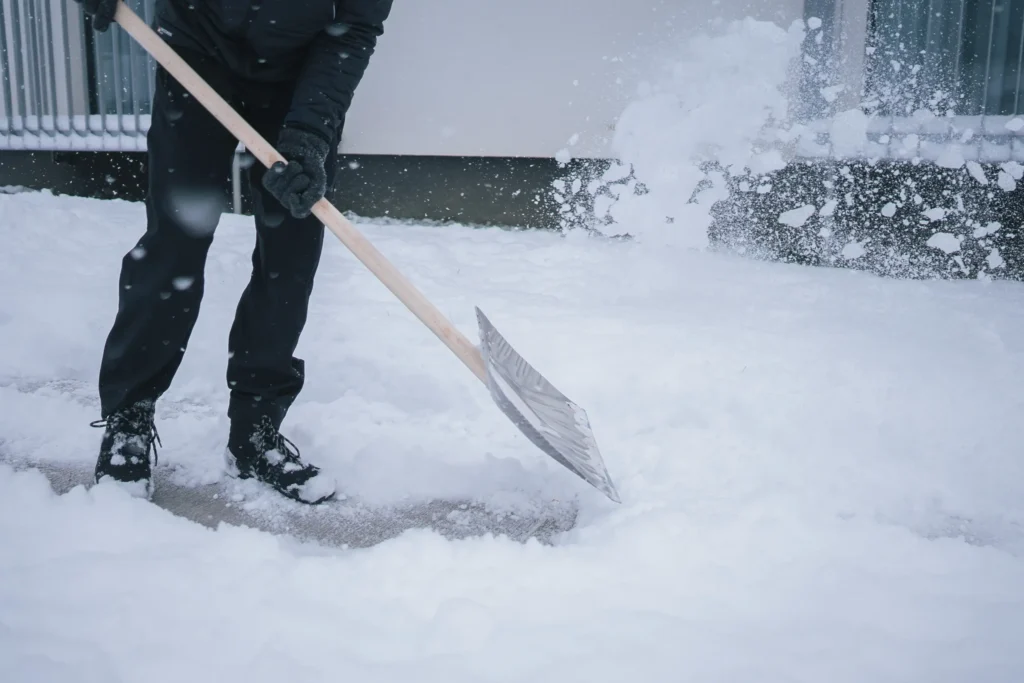
Pennsylvania doesn’t have a single statewide statute that sets a deadline for clearing snow and ice from private property. Instead, most winter slip-and-fall claims are governed by general premises liability principles, the state’s “hills and ridges” doctrine, local ordinances, and the facts of each fall. Property owners and those in control of property must use reasonable care, but they aren’t required to make walkways perfectly safe during or immediately after a storm. Whether you have a claim often depends on what caused the fall, where it happened, and how long the hazard existed.
At Freeburn Law, our Harrisburg personal injury attorneys help people throughout Central Pennsylvania pursue full and fair compensation after winter injuries. If you slipped on snow or ice, call (717) 777-7777 for a free confidential consultation.
Snow and Ice Claims Depend on the Property and the Hazard
Winter falls happen in many places, including parking lots, sidewalks, store entrances, apartment walkways, and office buildings. The rules that apply can depend on whether the property is commercial, residential, or public, who was responsible for maintaining it, and whether the hazard was a general winter condition or something more specific, like a patch of ice created by a leaking gutter. No two cases are exactly alike, which is why the facts matter so much.
Pennsylvania Property Owners Must Use Reasonable Care
In Pennsylvania, people who possess or control property generally owe visitors a duty of reasonable care. The level of duty depends on why the visitor was there. Businesses owe customers and other invitees the highest duty, which includes inspecting for hazards and fixing or warning about dangers they know about or should reasonably discover. In winter, that can mean clearing snow, treating ice, and addressing recurring problem areas within a reasonable time.
Who Controlled the Area Where the Fall Happened
Responsibility often depends on who controlled the area. A property owner, landlord, tenant, property management company, or snow removal contractor may be responsible depending on leases, contracts, and who actually handled maintenance. For example, a lease may make a commercial tenant responsible for its entrance, while the landlord handles the parking lot. Many municipalities also have ordinances requiring owners or occupants to clear adjacent sidewalks within a set time after snowfall.
Learn more about how our slip and fall accident lawyers evaluate these claims.
The Hills and Ridges Doctrine and Its Limits
Pennsylvania’s hills and ridges doctrine protects property owners from liability for generally slippery conditions caused by natural winter weather. Under this doctrine, an injured person generally must show that:
- Snow or ice had built up in ridges or elevations: The accumulation was large enough to unreasonably obstruct travel and create a danger.
- The owner knew or should have known: The property owner had actual or constructive notice of the condition.
- The condition caused the fall: The dangerous accumulation, not just general slipperiness, caused the injury.
The doctrine reflects the idea that it’s unreasonable to expect property owners to keep walkways completely free of ice during an ongoing storm or immediately after.
Natural Accumulations Versus Other Dangerous Conditions
The doctrine has important limits. It generally applies only when there are generally slippery conditions throughout the community from recent weather. It may not apply when:
- The ice was isolated: A localized patch of ice when the surrounding area was otherwise clear.
- The hazard was artificial: Ice caused by a leaking gutter, poor drainage, or a downspout that dumps water onto a walkway.
- Time had passed: Snow or ice remained long after the storm ended and the owner had time to address it.
In these situations, an injured person may not need to prove the existence of hills and ridges, and ordinary negligence rules may apply.
When Snow or Ice Removal Can Create a New Hazard
Sometimes, the way snow is removed creates a new danger. For example, plowed snow piles that melt and refreeze across a walkway, partially cleared paths that leave hidden ice, or salt and sand applied unevenly can all contribute to falls. When removal efforts create a dangerous condition, the property owner or the contractor who performed the work may be responsible.
Evidence to Preserve After a Winter Fall
Winter conditions change quickly, so evidence can disappear within hours.
Photos, Weather Records, Incident Reports, and Witnesses
If you’re able, preserve:
- Photos and video: Capture the ice or snow, the surrounding area, lighting, and any gutters, downspouts, or drainage problems.
- Your footwear: Keep the shoes you were wearing.
- Weather records: Information about when snow or freezing rain fell can be important for the hills and ridges analysis.
- Incident reports: Report the fall to the property owner or manager and ask for a copy.
- Witness information: Get names and contact details of anyone who saw the fall or the conditions.
- Medical records: Get prompt medical care and keep all records.
- Surveillance footage: Ask an attorney to request video before it’s overwritten.
How Comparative Negligence Can Affect a Claim
Pennsylvania follows modified comparative negligence under 42 Pa.C.S. § 7102. You can recover compensation as long as your share of fault isn’t greater than the combined fault of the defendants, but your recovery is reduced by your percentage of fault.
Property owners and insurers often argue that the injured person should have seen the ice, worn different shoes, or taken a different path. Evidence about the conditions and the property owner’s maintenance practices can help counter these arguments.
2026-27 Winter Issues to Verify Before Publication
As winter begins, keep these points in mind:
- Check local ordinances: Sidewalk-clearing deadlines and responsibilities vary by municipality, and local rules can change.
- Watch for recent court decisions: Pennsylvania courts continue to apply and refine the hills and ridges doctrine, and new decisions can affect how claims are evaluated.
- Know the deadlines: Most Pennsylvania personal injury claims must be filed within two years. Falls on government property may require written notice within six months and involve special immunity rules.
- Clear your vehicle, too: Pennsylvania law requires drivers to remove snow and ice from their vehicles after a storm, and violations can lead to fines, especially when flying snow or ice causes injury. See PennDOT’s winter driving resources for more information.
For official court information, visit the Unified Judicial System of Pennsylvania.
Talk With Freeburn Law About a Pennsylvania Winter Injury
Freeburn Law is a leading accident, workers’ compensation, and personal injury law firm in Harrisburg serving residents throughout Central Pennsylvania. We focus on helping injured people get the medical treatment and financial compensation they deserve after a serious accident. Our attorneys handle a wide range of personal injury practice areas and personal injury claims, including winter slip-and-fall injuries and car accidents caused by icy conditions.
We take the time to listen to your concerns and develop a strategy built around your case. We’ll investigate who controlled the property, whether the hills and ridges doctrine applies, and what evidence supports your claim. There’s never a fee unless we recover money for you. If there’s no recovery, there’s no fee.
Contact Freeburn Law at (717) 777-7777 for a free confidential consultation.
Frequently Asked Questions
Does a property owner have to clear snow immediately?
Generally, no. Pennsylvania law doesn’t require property owners to clear snow and ice during a storm or immediately after. However, they must act within a reasonable time once conditions allow, and local ordinances may set specific deadlines for sidewalks.
What is the hills and ridges doctrine?
It’s a Pennsylvania rule that generally protects property owners from liability for generally slippery conditions caused by recent winter weather unless snow or ice built up into dangerous ridges or elevations that the owner knew or should have known about.
What should I photograph after a fall on ice?
Photograph the exact spot where you fell, the ice or snow, the surrounding area, lighting, nearby gutters or downspouts, any warning signs or lack of them, and your injuries.