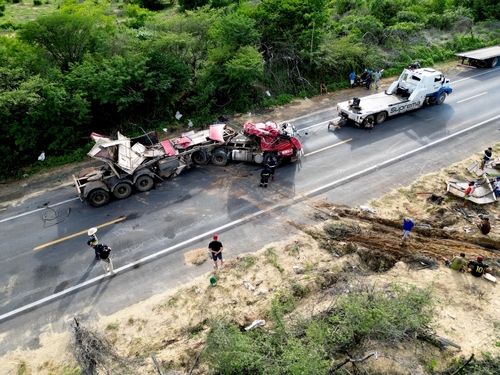
A crash with a commercial truck is rarely a simple two-driver insurance claim. Within hours, the trucking company may have notified its insurer, its safety department, a third-party claims administrator, and defense counsel, all working to limit what the company pays. Meanwhile, the injured person is often dealing with hospital visits, missed work, and calls from an adjuster asking for a statement.
Freeburn Law represents people injured in truck crashes across Pennsylvania, from Harrisburg and Central Pennsylvania to Pittsburgh and beyond. We handle communications with insurers and corporate defense teams so you can focus on your recovery. Contact Freeburn Law at (717) 777-7777 for a free case review.
Why a Truck Accident Claim Can Become a Corporate Matter Quickly
Many trucking companies have internal crash reporting systems that alert the carrier, its insurer, and its safety managers almost immediately. Larger carriers may also use third-party administrators to handle claims and keep defense attorneys on call. Some send rapid-response investigators to the scene to photograph the crash, interview the driver, and download data before the injured person has left the hospital.
That early start gives the company a head start in shaping the story. Its investigation is designed to protect the company, not to determine what you are owed.
The Trucking Company May Start Preserving Its Own Evidence Immediately
Don’t assume that electronic logs, dashcam video, engine data, or maintenance records will remain available indefinitely. Carriers generally must keep drivers’ hours-of-service records and supporting documents for six months, but other records may be overwritten sooner under routine retention policies.
Video systems often loop over older footage, and engine control data can be lost if the truck is repaired or returned to service. Waiting to act can mean losing evidence that only the company controls.
Preserve Evidence Before It Disappears
Strong truck accident claims are built on evidence gathered early. Important categories include:
- Photographs and scene evidence: Photos of the vehicles, road, skid marks, debris, signage, and your injuries help reconstruct the crash.
- Witness contacts: Independent witnesses can confirm speed, lane position, and signals before memories fade.
- Crash reports: The police report records officers’ observations, citations, and statements taken at the scene.
- Vehicle and engine data: A truck’s engine control module can record speed, braking, and throttle in the moments before impact.
- ELD and hours-of-service records: Under FMCSA hours-of-service rules, most property-carrying drivers may drive no more than 11 hours after 10 consecutive hours off duty and must stop driving 14 hours after coming on duty. Electronic logging devices record that time and can show whether a driver was over the limit.
- Dispatch and communications: Dispatch logs, delivery schedules, and texts or messages between the driver and the company can reveal pressure to meet deadlines.
- Maintenance and inspection records: Brake, tire, and inspection histories show whether the truck was properly maintained.
- Cargo records: Bills of lading and loading records can matter when shifting or overweight cargo contributed to the crash.
- Dashcam and nearby video: Forward-facing and driver-facing cameras, along with nearby business or traffic cameras, may capture the crash itself.
A Preservation Letter Can Identify Specific Categories of Records
A preservation letter, sometimes called a spoliation letter, formally notifies the trucking company and its insurer to keep specific records and physical evidence. It puts the company on notice of the claim and identifies what must be saved.
The letter doesn’t guarantee that every record will survive or that it will be admissible, but if a company destroys evidence after receiving notice, Pennsylvania courts may impose sanctions, including allowing a jury to infer the evidence would have been unfavorable to the company.
Be Careful With Recorded Statements and Broad Authorizations
Adjusters for the trucking company’s insurer often call early, asking for a recorded statement about the crash and your injuries. Statements given while you’re in pain, on medication, or still unsure of your diagnosis can later be used to argue your injuries were minor or that you were partly at fault.
Adjusters may also send medical authorizations that allow access to your entire medical history, not just records related to the crash, or ask you to sign documents that include broad release language. Before signing anything or giving a detailed statement, understand what you’re agreeing to and who will see the information. You generally aren’t required to give a recorded statement to the other side’s insurer.
Identify Every Potentially Responsible Party and Policy
Responsibility for a truck crash may extend beyond the driver. Depending on the facts, potentially responsible parties may include:
- The driver: Liable for their own negligent driving, such as speeding, distraction, or fatigue.
- The motor carrier: Often responsible for its driver’s conduct and for its own hiring, training, supervision, and maintenance practices.
- The truck or trailer owner: May be a separate leasing company with its own coverage.
- Maintenance contractors: Can be responsible when faulty repairs or inspections contributed to the crash.
- Brokers and shippers: May be investigated when the facts show they controlled the load, the schedule, or the choice of carrier.
Federal rules generally require interstate carriers of general freight to carry at least $750,000 in liability coverage, and many carry more. Overlapping primary, excess, and umbrella policies can apply to the same crash, and insurers often dispute which policy pays first. Identifying every available policy early matters before any settlement discussion.
Our page on Pennsylvania truck accident attorneys explains these claims in more detail.
Document Medical Treatment and Economic Losses Consistently
The value of a truck accident claim depends on proof that the crash caused your injuries. Insurers look for gaps in treatment, missed appointments, and inconsistencies between what you report to doctors and what you claim later. Follow your treatment plan, attend appointments, and tell each provider about all of your symptoms.
Keep records of missed work, pay stubs, tax returns, and any reduced hours or lost opportunities. For serious injuries, future care, therapy, and lost earning capacity should be supported by medical opinions and, when needed, expert analysis rather than rough estimates.
Expect Comparative-Fault Arguments
Defense teams frequently argue that the injured person caused or contributed to the crash. They may challenge your speed, visibility, lane position, or whether your injuries came from the crash at all. Under Pennsylvania’s Comparative Negligence Act, 42 Pa.C.S. § 7102, an injured person can recover as long as their negligence is not greater than the combined negligence of the defendants, with damages reduced by their percentage of fault.
Some defense arguments carry less weight in Pennsylvania than readers might expect. For example, Pennsylvania law generally bars using a person’s failure to wear a seat belt as evidence of negligence in a civil case. Because these rules are technical, comparative-fault issues should be reviewed by an attorney early in the claim.
Do Not Evaluate a Release by the Settlement Number Alone
A settlement offer that looks large can shrink quickly once you account for what it doesn’t cover. Before signing, consider medical liens from health insurers, Medicare, Medicaid, or workers’ compensation that must be repaid, and whether the amount accounts for future treatment. Read the release carefully to see whether it releases only the party paying or every company and person involved, and whether it includes confidentiality terms.
In multi-policy cases, accepting a primary carrier’s limits without addressing excess coverage can close the door on additional recovery.
Watch the Pennsylvania Filing Deadline
Under 42 Pa.C.S. § 5524, most personal injury lawsuits in Pennsylvania must be filed within two years of the injury. Exceptions can change that timeline. Claims involving a government vehicle or roadway defect may require written notice within six months, and wrongful death, survival, and property claims can follow different rules. Insurance negotiations don’t pause the deadline, so speaking with an attorney well before the two-year mark protects your options.
Let Freeburn Law Handle the Corporate Side of a Pennsylvania Truck Claim
At Freeburn Law, we take the time to listen to your concerns, then build a strategy designed to achieve the best possible result. Our attorneys bring decades of combined experience to cases against trucking companies and their insurers. We send preservation letters, investigate the carrier’s records, identify every responsible party and policy, and handle all communication with adjusters and corporate defense counsel.
With offices throughout Pennsylvania, including Harrisburg, York, Lancaster, and our Pittsburgh truck accident attorneys, we represent truck crash victims statewide. There is never a fee unless we recover money for you. You can see if you have a case or meet the Freeburn Law attorneys who may handle your claim, then contact Freeburn Law at (717) 777-7777 for a free case review.
Frequently Asked Questions
Should I give the trucking company’s insurer a recorded statement?
Not before you understand your rights. You generally aren’t required to give one, and statements made early, while you’re injured or uncertain about your diagnosis, can be used to dispute fault or minimize your injuries. If you’re contacted, ask what the statement will cover and speak with an attorney first.
How quickly should truck evidence be preserved?
As soon as possible. Carriers generally must retain hours-of-service records for six months, but video may be overwritten within days or weeks, and engine data can be lost once a truck is repaired. A prompt preservation letter helps protect those records.
Can more than one company be liable for a truck crash?
Yes. The driver, the carrier, the truck or trailer owner, maintenance contractors, and sometimes brokers or shippers may be investigated. Whether each one is responsible depends on their contracts, their control over the driver or load, their conduct, and whether that conduct caused the crash.