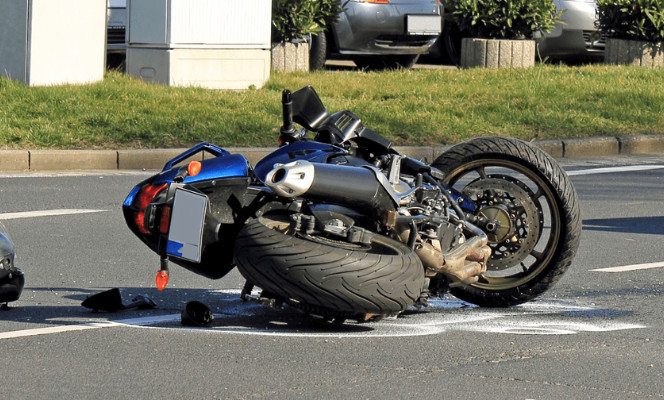
If a motorcycle rider is injured in a crash, one of the first assumptions many people make is that the rider was probably speeding. This stereotype shows up in casual conversation, in comment sections, and sometimes even in how an insurance adjuster initially frames a claim. The problem is that this assumption is not supported by the facts, and it can genuinely hurt an injured rider's ability to recover fair compensation if it goes unchallenged.
Freeburn Law is a leading accident, workers' compensation, and personal injury law firm serving injured people throughout Central Pennsylvania, and motorcycle accident cases are a significant part of our practice. We understand that riders face an uphill battle from the moment police arrive at the scene, with adjusters, witnesses, and sometimes even officers assuming the rider was speeding or riding recklessly before any real investigation has taken place. Call us today at (717) 777-7777 to discuss your situation and find out how we can help protect your claim.
How These Myths Affect Your Pennsylvania Injury Claim
Common myths about motorcyclists, including the assumption that riders speed more than other drivers, can quietly influence how a claim is handled from the very beginning. Insurance adjusters, witnesses, and even responding officers can carry these same biases, sometimes leading to an initial assumption of rider fault before the actual facts of a crash are fully examined.
According to data compiled by NHTSA, motorcycle crashes involve a wide range of contributing factors, and speeding is far from the only, or even the most common, cause. Understanding that these myths are not grounded in fact is an important first step for any injured rider trying to protect their claim.
Immediate Safety and Medical Priorities
After a motorcycle accident, seeking prompt medical attention is the top priority, even if injuries seem minor at first. Motorcycle crashes often produce injuries, such as road rash, internal injuries, or head trauma, that are not immediately obvious but can become serious if left untreated. Beyond your health, prompt medical treatment also creates a documented record connecting your injuries to the crash, which becomes important evidence later in the claims process.
Who May Owe a Duty or Share Liability
Liability in a motorcycle accident depends on the specific facts of the crash, not on assumptions about the rider. Potentially liable parties may include another driver, if their negligence, such as failing to yield, making an unsafe lane change, or driving distracted, caused or contributed to the crash, a government entity, if a hazardous road condition or malfunctioning traffic signal contributed to the accident, or in some cases, a vehicle or parts manufacturer, if a defect contributed to the crash.
Determining liability requires a genuine investigation into what actually happened, not a default assumption based on stereotypes about motorcyclists.
Evidence to Preserve Before It Disappears
Strong evidence is often the most effective way to counter biased assumptions about a motorcycle crash and establish what actually happened.
Which Incident, Medical, and Employment Records to Request
Important records to gather and preserve include the official police accident report, complete medical records documenting your treatment and injuries, photographs of the accident scene and both vehicles involved, and employment records documenting any missed work and lost income resulting from the crash.
How Experts May Reconstruct the Critical Event
In many motorcycle accident cases, accident reconstruction experts can analyze physical evidence, such as skid marks, vehicle damage, and roadway conditions, to determine the actual speed and sequence of events leading up to the crash. This kind of objective, expert analysis can be critical in countering an insurer's assumption that a rider was speeding or otherwise at fault, replacing speculation with an evidence-based reconstruction of what really happened.
The best way to ensure you stay on top of evidence while recovering from your incident is to contact Freeburn Law at (717) 777-7777 and let one of our experienced personal injury attorneys help you preserve everything you need.
Insurance Coverage and Claim-Handling Issues
Motorcycle insurance claims can involve their own specific coverage questions separate from a standard car accident claim. Understanding motorcycle insurance requirements in Pennsylvania, including what coverage a rider is required to carry and how that coverage interacts with a claim against another driver, is an important part of understanding what compensation may be available following a crash.
Comparative Fault and Common Defense Arguments
Pennsylvania follows a modified comparative negligence rule, meaning an injured rider can still recover compensation even if they share some percentage of fault for the crash, as long as their fault does not exceed 50%.
However, insurance companies frequently rely on biased assumptions about motorcyclists to try to inflate a rider's share of fault, reducing what they ultimately have to pay.
Questions Insurers Are Likely to Ask
Insurance adjusters often ask pointed questions aimed at establishing rider fault, including:
- How fast were you riding leading up to the crash?
- Were you wearing proper safety gear?
- Were you engaged in any perceived risky behavior, such as lane splitting, even when it had nothing to do with the actual cause of the crash?
Riders should be cautious about answering these questions without legal guidance, since answers can sometimes be used to support the very biases this article is addressing. In some cases, riders find themselves falsely blamed for a motorcycle accident entirely, making it especially important to have an advocate pushing back against unfounded assumptions.
Filing Deadlines and Notice Requirements
Pennsylvania generally requires personal injury lawsuits, including those arising from motorcycle accidents, to be filed within two years of the date of the injury. Claims involving a government entity may carry shorter notice requirements and deadlines.
Cases proceed through Pennsylvania's court system, and information about the state's courts is available through the Unified Judicial System of Pennsylvania.
Missing an applicable deadline can mean losing the right to pursue compensation entirely, regardless of how strong the underlying facts of the case may be.
When an Injury Lawyer Can Add Value
An experienced motorcycle accident lawyer can push back against biased assumptions, gather and preserve critical evidence, work with accident reconstruction experts when needed, and negotiate with insurance companies that may be relying on unfounded stereotypes rather than the actual facts of a crash.
This kind of advocacy often makes a meaningful difference in how fairly a rider's claim is ultimately valued.
Contact Freeburn Law to Discuss Your Case
Our personal injury team takes the time to genuinely investigate what happened, pulling police reports, reviewing scene photos, consulting accident reconstruction experts when needed, and talking to witnesses directly, rather than accepting a stereotype-driven assumption at face value simply because it is the easiest explanation. We know that being on two wheels instead of four should never automatically mean being blamed for a crash you did not cause, and we build every motorcycle case with that principle front and center.
There is never a fee unless we recover money for you, so reaching out costs you nothing but could make all the difference in how your claim is ultimately valued.
If you have been injured in a motorcycle accident in Pennsylvania, do not wait to get legal guidance. Contact Freeburn Law at (717) 777-7777 for a free confidential consultation, and let us help you understand your rights and options.